Lighthouse chain
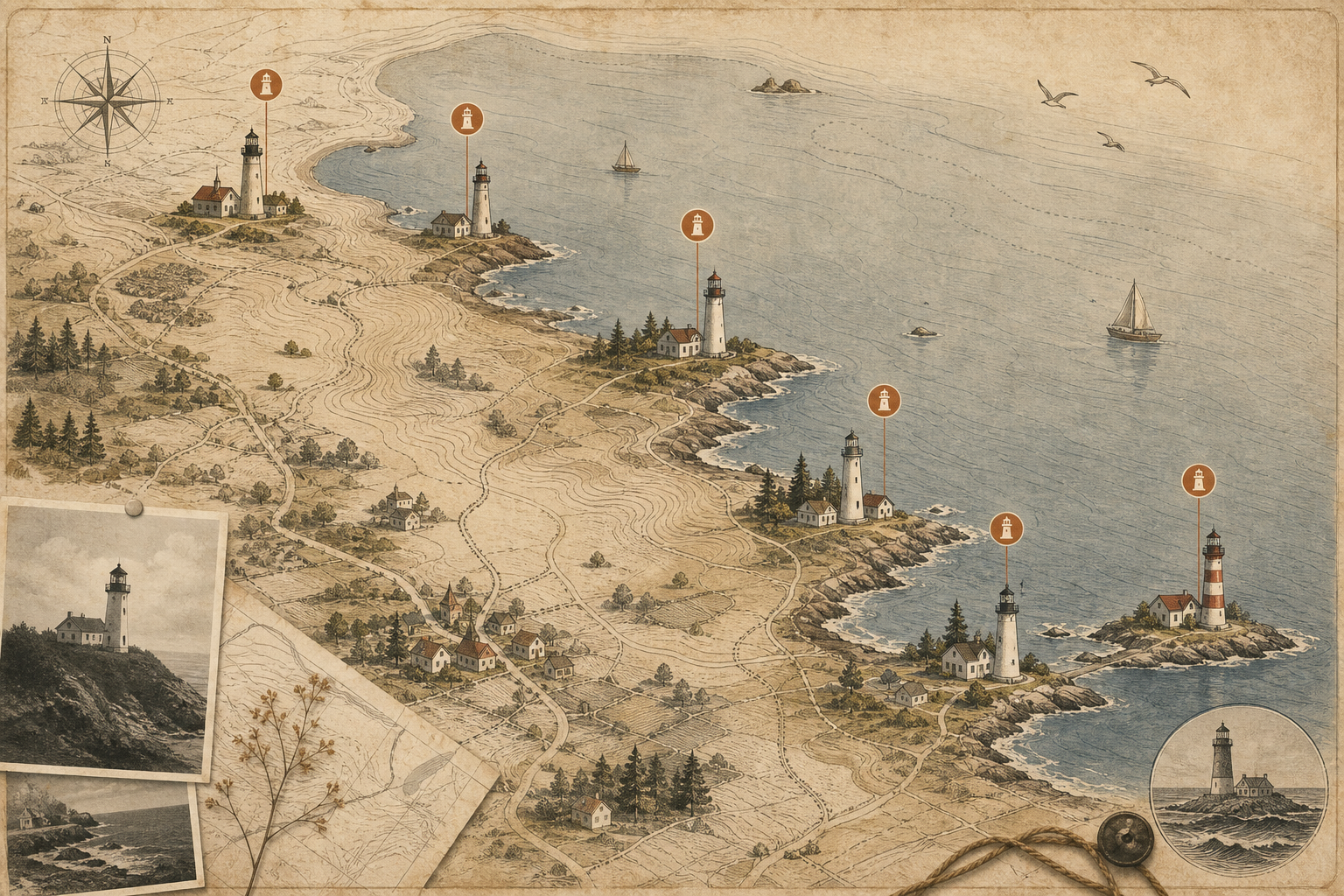
Beacon stations tracing headlands, harbor mouths, and fog-prone points along the northern shore.

Northern Coast Lighthouses
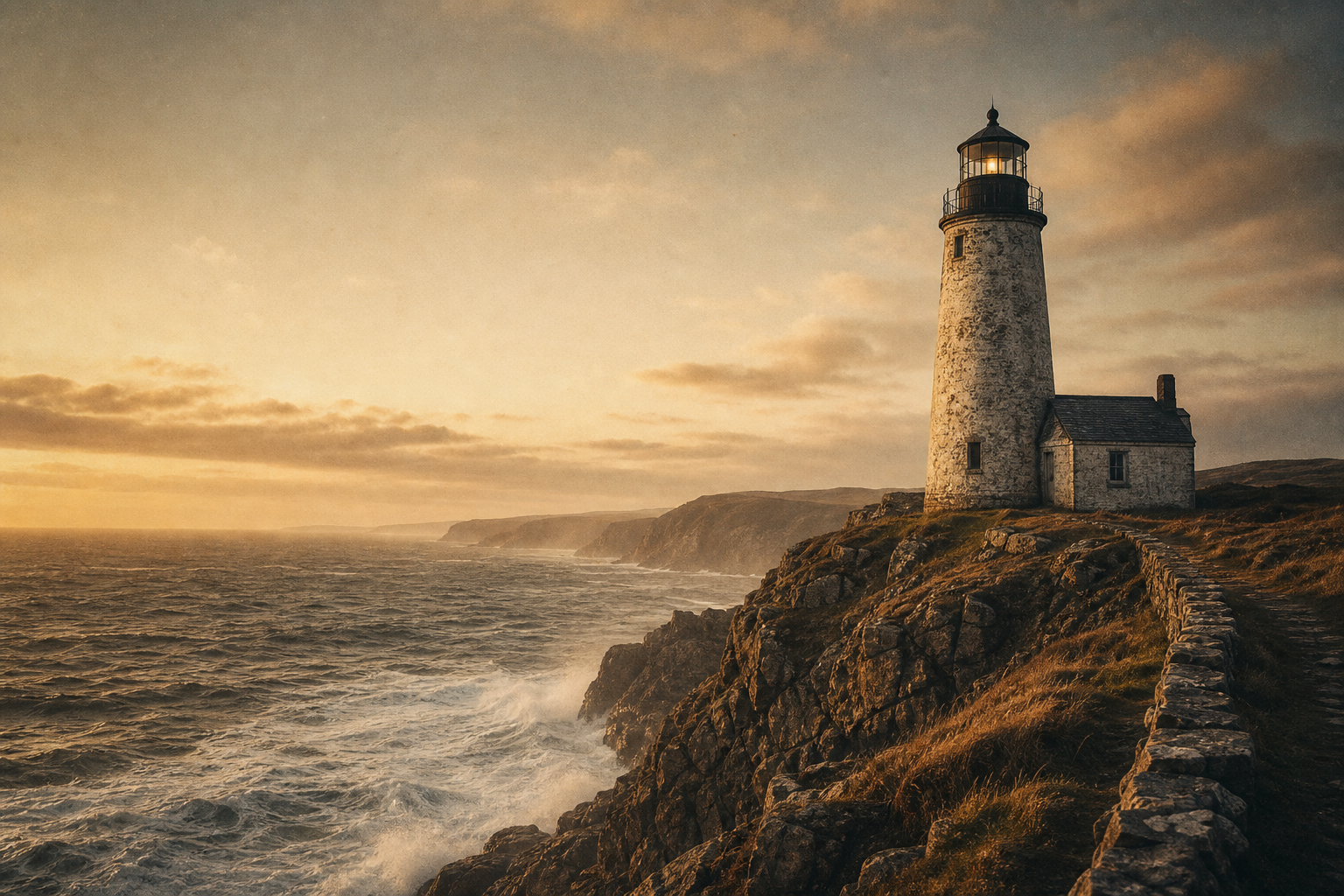
Explore archival photographs, keeper stories, and preserved towers that still mark the shoreline.
Heritage overview
From beacon-to-beacon routes to keeper accounts, this collection maps how northern coastal light shaped work, weather, and community memory.
Lighthouse chain
Beacon stations tracing headlands, harbor mouths, and fog-prone points along the northern shore.
Preserved towers
Stone and iron towers still standing as navigational landmarks and protected heritage places.
Archival photographs
Glass-plate views, weathered prints, and shoreline scenes that document changing coastal decades.
Keeper life
Logbook voices, family routines, and night-watch accounts from the lantern rooms.
Archive & Coastal History
Archival photographs and field notes trace a working network of beacons that shaped safe passage and daily coastal rhythm.
Navigation
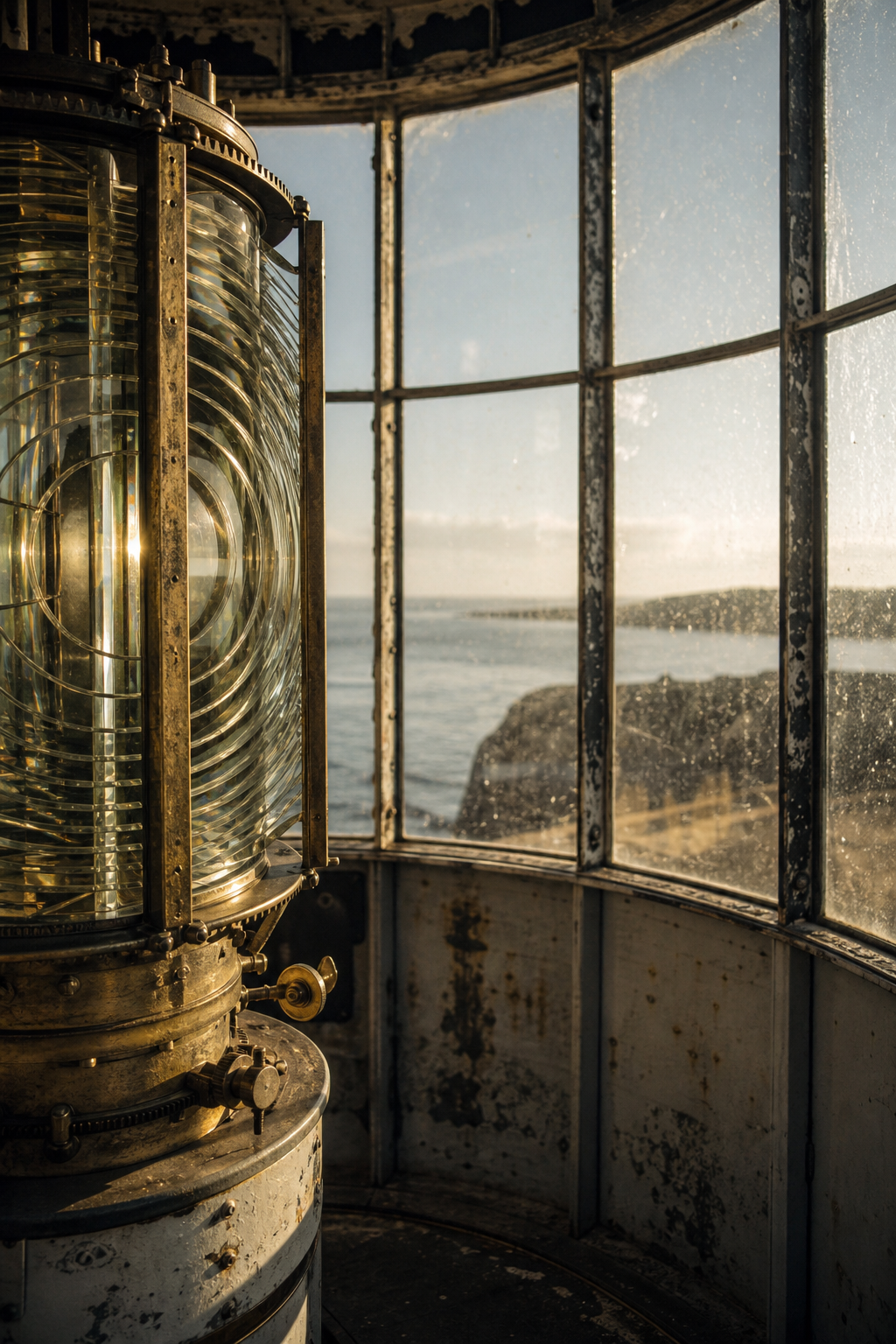
Before radio beacons, timed flashes and fog signals linked headland to headland, giving captains fixed references through night crossings and shoal water.
Weather Watching
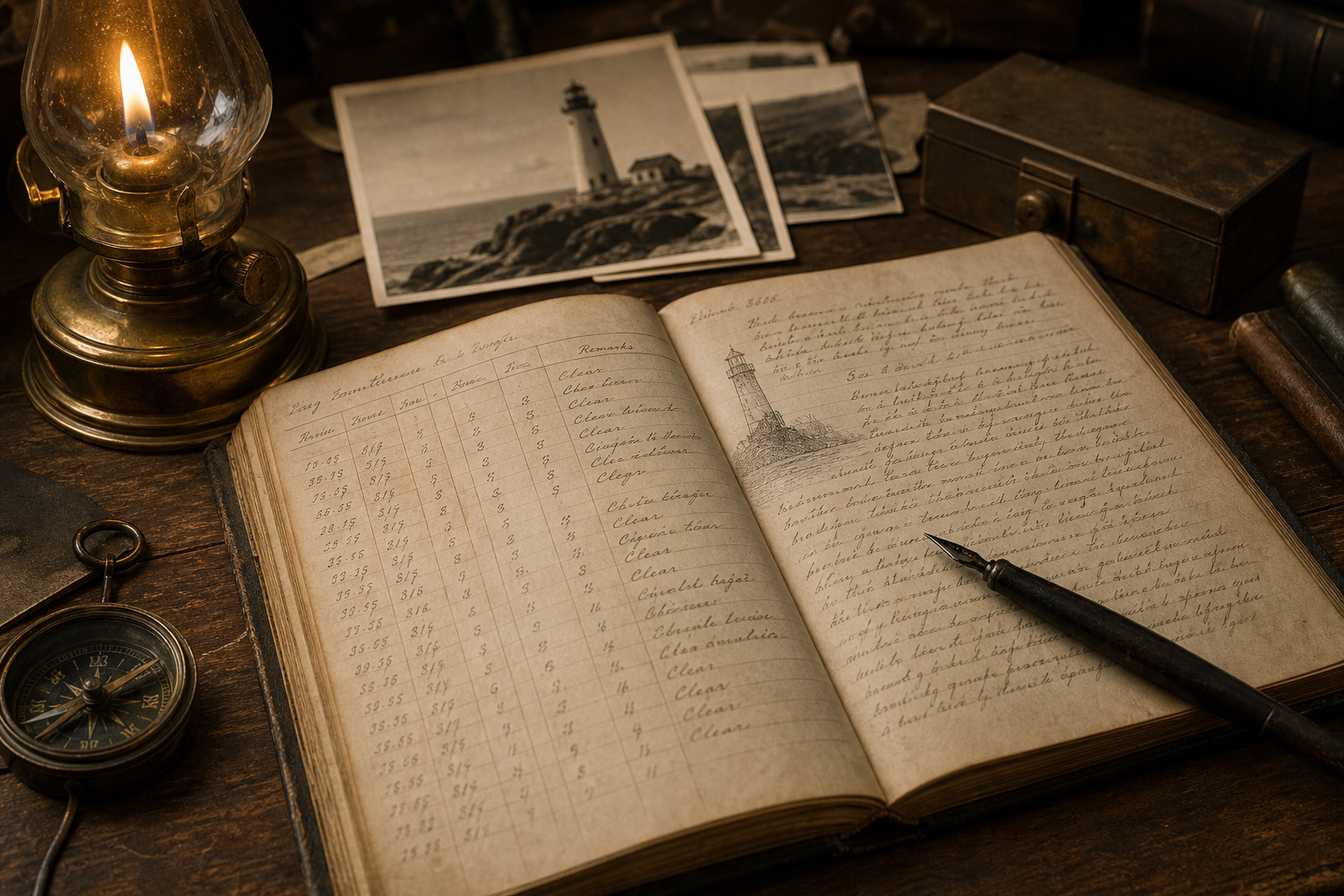
Keepers logged wind shifts, pressure drops, and sea state at regular intervals, creating local storm records long before automated stations.
Coastal Life
Supply boats, school routes, and fishing departures often synchronized with lighthouse routines, tying beacon work directly to community schedules.
Keeper Portraits
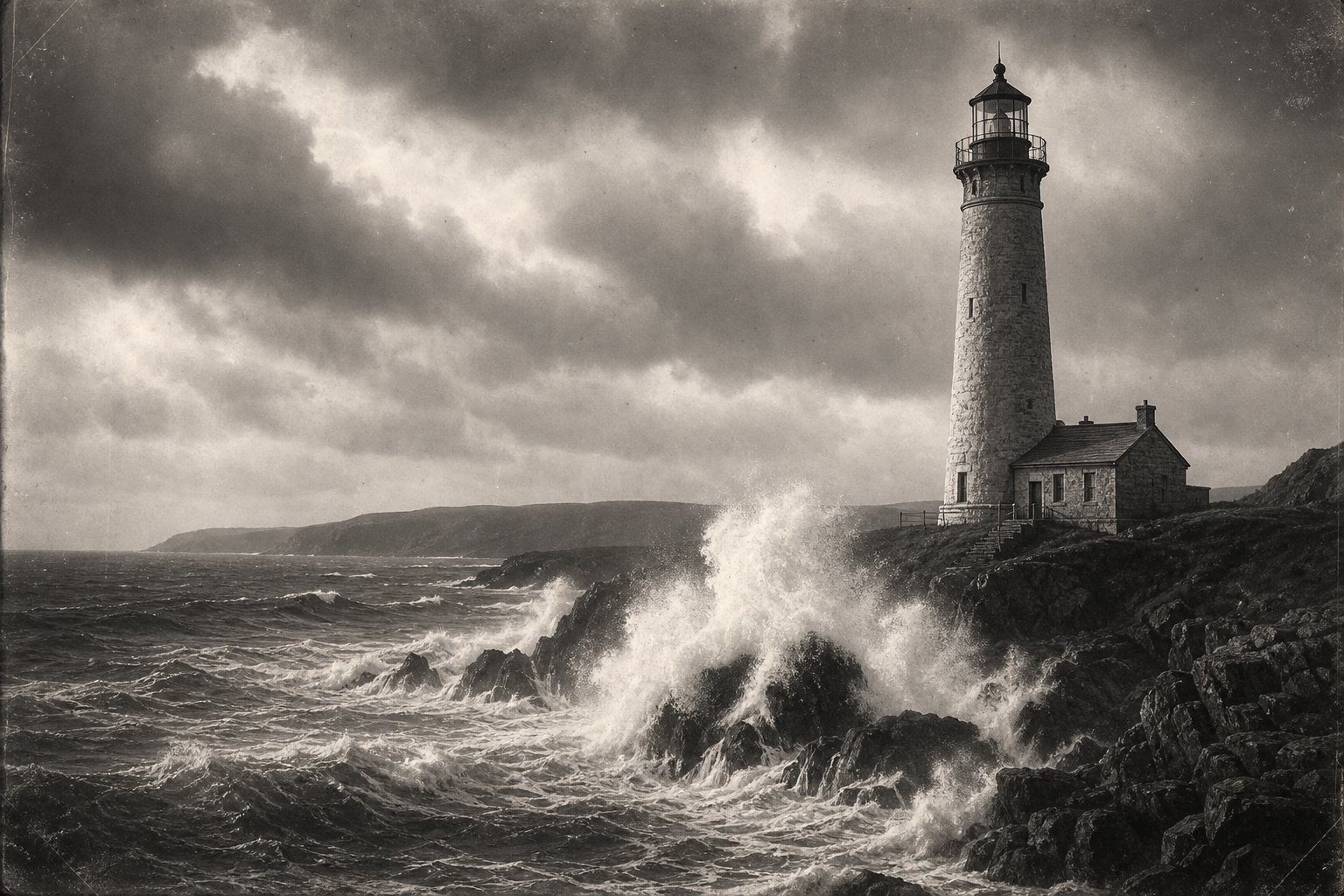
Three brief portraits from tower logs and shoreline memory, where routine became record and observation became heritage.
By lamplight, Keeper Elspeth marked wind shifts in careful strokes, noting each barometer drop before dawn. Her entries read like weather and worry bound together, steadying ships she would never see up close.
Thomas Reeve timed each evening by glass and wick, wiping salt haze from the lantern room until the beam cut cleanly through fog. In his notes, maintenance was never mundane—only another promise kept to passing crews.
Before the village fires were lit, Mara Dinn crossed the shingle path to scan the tide line and signal flags. Her dawn rounds tied tower to town, turning solitary watch into a shared coastal rhythm.
Practical guidance for respectful visits, field notes, and photography along the northern coast.
Question 01
Stay on marked paths, avoid climbing barriers, and leave stones, fixtures, and signage undisturbed. Even minor contact can accelerate wear on exposed historic fabric.
Question 02
Conditions can change quickly with maintenance work, erosion, or seasonal land agreements. Check the local council or heritage trust notice closest to your visit date.
Question 03
Wind, spray, and visibility shift fast, even in settled forecasts. Bring layered clothing, keep equipment protected from salt moisture, and allow extra time for changing conditions.
Question 04
Handheld photography is usually straightforward from public ground. For drones, tripods in narrow paths, or publication projects, confirm local permissions and avoid blocking access for others.
Question 05
Local maritime museums, town archives, and regional heritage societies often hold logbooks, oral histories, and restoration notes not published online. Their reading rooms are the best next step.